Quality Coen Construction is more than just assembling materials into a finished structure. It is a thoughtful process that blends planning, engineering, craftsmanship, and durable design choices to create spaces that perform well for years to come. When construction is approached with precision and care, the results go far beyond visual appeal. Property owners experience improved safety, enhanced comfort, and significant financial advantages over time. Instead of focusing solely on short-term costs, high-quality construction emphasizes long-term performance, ensuring that every element of a property contributes to stability and efficiency.
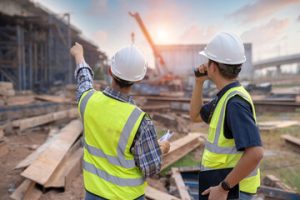
One of the most important benefits of quality construction is its direct impact on safety. Strong structural foundations, accurate measurements, and reliable materials form the backbone of any well-built property. When construction teams prioritize precision, they reduce the likelihood of structural weaknesses, uneven surfaces, or hidden vulnerabilities that can develop into serious hazards later on. Proper load distribution, reinforced frameworks, and carefully installed systems ensure that a property remains secure even under challenging conditions. Safety is not just about meeting basic requirements; it is about creating an environment where occupants feel protected and confident in the durability of their surroundings.
Comfort is another key outcome of well-executed construction. Many people associate comfort with interior design, but the reality is that construction quality plays an even larger role. Proper insulation, balanced ventilation, and thoughtful layout planning influence how a space feels every day. A property built with attention to airflow and temperature regulation maintains a consistent indoor climate, reducing drafts, hot spots, or excessive humidity. These elements may not always be visible, yet they significantly improve the daily experience of those who use the space. By combining functional design with reliable materials, quality construction transforms ordinary structures into environments that feel welcoming and practical.
Beyond safety and comfort, long-term savings are often the most compelling reason to invest in higher construction standards. While cutting corners may reduce upfront expenses, it frequently leads to costly repairs, frequent maintenance, and inefficient energy usage over time. Durable materials and precise installation methods minimize wear and tear, allowing components to last longer without constant replacement. Energy-efficient building techniques also lower utility costs, making high-quality construction a smart financial decision. Instead of dealing with recurring issues, property owners benefit from reduced maintenance needs and greater peace of mind.
One of the defining characteristics of quality construction is the careful selection of materials. Builders who prioritize durability look for products that can withstand environmental stress, daily use, and the natural aging process. This approach ensures that walls remain stable, surfaces resist damage, and structural systems perform consistently. The use of advanced materials does not always mean choosing the most expensive option; it means selecting components that offer the best balance of strength, longevity, and efficiency. Over time, these decisions contribute to a property that maintains its integrity without requiring constant attention.
The construction process itself also plays a critical role in delivering lasting results. Skilled craftsmanship ensures that every connection, joint, and finish is completed with precision. Proper alignment of structural elements prevents uneven stress on the building, reducing the risk of cracks or deterioration. Attention to detail during installation also improves the performance of mechanical systems, allowing heating, cooling, and ventilation features to operate more effectively. When construction teams follow best practices, they create a foundation that supports both safety and comfort for years to come.
Modern building methods increasingly focus on energy efficiency as a core component of quality construction. Improved insulation systems, strategically placed openings, and well-designed roofing structures help regulate indoor temperatures more effectively. These features reduce reliance on artificial heating or cooling, which not only lowers energy bills but also creates a more stable and comfortable living environment. Energy-efficient construction is no longer just a trend; it has become a practical strategy for achieving long-term savings while supporting sustainable building practices.
Several construction features consistently enhance safety and comfort while reducing future expenses. Some of the most impactful improvements include:
- Reinforced Structural Frameworks – Stronger support systems help properties withstand environmental stress and maintain stability over time.
- Advanced Insulation Techniques – Properly installed insulation reduces energy loss and creates a more consistent indoor climate.
- High-Quality Roofing and Drainage Systems – Effective water management protects the structure from moisture-related damage.
- Thoughtful Lighting Design – Well-planned lighting improves visibility and reduces potential hazards within the property.
Another important aspect of quality construction is its influence on indoor air quality. Poorly built structures often struggle with ventilation issues that allow pollutants, dust, or excess moisture to accumulate. By contrast, well-designed construction incorporates airflow strategies that promote a healthier environment. Balanced ventilation systems help maintain fresh air circulation while preventing condensation that can lead to long-term damage. This focus on air quality enhances comfort and supports overall well-being, making a property feel more inviting and functional.
The financial benefits of quality construction extend beyond immediate savings on maintenance or utilities. A well-built property tends to retain its value more effectively over time. Buyers and investors often recognize the difference between a structure that was built with care and one that prioritized speed over durability. Solid construction creates confidence, which can lead to stronger long-term investment potential. Even for those who do not plan to sell, knowing that a property is built to last provides reassurance that future expenses will remain manageable.
Layout planning also plays a significant role in achieving comfort and efficiency. Spaces designed with intentional flow reduce congestion and make everyday activities more convenient. Wider walkways, well-positioned windows, and practical room arrangements contribute to a sense of openness that enhances the overall living experience. Quality construction takes these details into account from the beginning, ensuring that the finished structure feels cohesive rather than improvised. By combining thoughtful design with precise execution, builders create spaces that adapt to changing needs without requiring extensive modifications.
Another area where quality construction proves valuable is noise control. Properly installed walls, floors, and ceilings can reduce unwanted sound transmission, creating a quieter and more peaceful environment. This is especially important in properties where multiple activities occur simultaneously. Acoustic considerations during construction help minimize disruptions, allowing occupants to enjoy privacy and comfort. These subtle yet impactful improvements demonstrate how attention to detail can elevate the overall functionality of a property.
For property owners considering upgrades or new builds, focusing on long-term performance can guide smarter decisions. Some practical strategies that support lasting value include:
- Investing in Durable Exterior Finishes – Weather-resistant materials reduce maintenance needs and maintain visual appeal.
- Optimizing Natural Lighting – Well-placed openings decrease reliance on artificial lighting while enhancing comfort.
- Upgrading Structural Connections – Reinforced joints and secure fastening methods improve overall stability.
- Implementing Preventive Waterproofing Measures – Protecting vulnerable areas from moisture extends the lifespan of the structure.
Quality construction also supports adaptability, allowing properties to evolve with changing lifestyles. Flexible layouts and modular design features make it easier to modify spaces without major reconstruction. This adaptability reduces the need for costly renovations in the future, contributing to long-term savings. By anticipating potential changes during the construction phase, builders create properties that remain functional even as needs shift over time.
Ultimately, the true value of quality construction lies in its ability to balance safety, comfort, and financial efficiency. A well-built property provides a secure foundation that protects occupants while enhancing everyday living. Thoughtful material choices, precise craftsmanship, and forward-thinking design strategies work together to create spaces that perform reliably year after year. Instead of focusing solely on immediate results, quality construction looks ahead, ensuring that each element contributes to lasting success.
Investing in higher construction standards is not just a practical decision; it is a commitment to long-term well-being and stability. From reinforced structural systems to energy-efficient designs, every detail plays a role in shaping a property that feels modern, dependable, and comfortable. As building practices continue to evolve, the importance of quality construction remains constant. By prioritizing safety, enhancing comfort, and reducing long-term expenses, well-executed construction transforms properties into spaces that truly stand the test of time.