Maintaining a property is about more than aesthetics; it is about creating a safe, healthy, and comfortable environment for occupants. One of the most important yet often overlooked aspects of property care is pest control. Effective pest management does not rely solely on chemical treatments or reactive solutions—it begins with consistent cleanliness and maintenance. These foundational practices form the backbone of a proactive strategy that prevents infestations, protects property, and supports long-term safety.
Pests are opportunistic creatures. From insects to rodents, they seek environments that provide food, water, and shelter. When cleanliness and maintenance are neglected, these conditions become readily available. Cluttered spaces, spilled food, stagnant water, and unsealed gaps create an inviting environment for pests to thrive. Conversely, a well-maintained property can significantly reduce opportunities for infestation, minimizing the need for reactive measures. This makes cleanliness and routine maintenance critical pillars of any effective Pest Control Texas program.
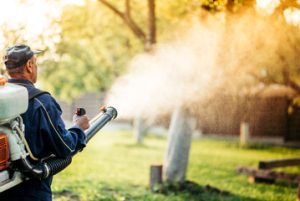
One of the most direct ways that cleanliness influences pest activity is through food management. Many pests, including rodents, ants, cockroaches, and flies, are attracted to accessible food sources. Even minor spills, unsealed containers, or leftover crumbs can serve as a magnet for these creatures. Regular cleaning of kitchens, pantries, and storage areas, combined with proper food storage practices, drastically reduces attractants. Cleaning alone, however, is not sufficient; proper maintenance is equally essential in eliminating hidden conditions that support pest life.
Maintenance encompasses both structural upkeep and environmental management. Cracks in walls, gaps around windows and doors, and broken screens are common entry points for pests. Over time, buildings naturally shift or degrade, creating new vulnerabilities. Routine inspections and timely repairs prevent pests from exploiting these weaknesses. For example, sealing gaps and installing weather stripping not only improves energy efficiency but also keeps unwanted pests out. When maintenance is consistent, it reinforces cleanliness, creating a multi-layered defense that pests find difficult to penetrate.
Outdoor maintenance is just as critical as indoor care. Pests often begin their activity outside, using vegetation, debris, or standing water as breeding grounds. Overgrown shrubs and unkempt yards provide cover, while clogged gutters and stagnant water attract mosquitoes and other insects. By keeping outdoor spaces tidy and addressing potential hazards, property owners can significantly reduce the chances of pests entering interior areas. This connection between exterior and interior maintenance highlights the importance of viewing pest control as a holistic endeavor rather than a reactive treatment.
Clutter is another factor that links cleanliness to pest activity. Piles of paper, boxes, or unused furniture create hiding places for insects and rodents. Even seemingly harmless clutter can support nesting behavior and allow pests to remain undetected. Regular organization and decluttering, especially in basements, attics, and storage rooms, help remove these potential habitats. When spaces are kept orderly, it becomes much easier to identify early signs of pest activity and respond promptly.
Another crucial component of effective pest control is waste management. Garbage that accumulates or is improperly stored attracts pests rapidly. Rodents, flies, and cockroaches are drawn to organic material and food waste, while standing water in improperly maintained containers supports mosquito breeding. Implementing a routine for waste disposal, using sealed containers, and ensuring that outdoor trash areas are clean prevent these attractants from creating pest-friendly environments. This demonstrates the strong link between routine maintenance, cleanliness, and effective pest management.
Regular inspections play a pivotal role in connecting cleanliness, maintenance, and pest control. Scheduled evaluations of both interior and exterior spaces allow property owners to identify issues before they escalate. Signs such as droppings, gnaw marks, or small structural cracks may indicate early pest activity. Addressing these issues proactively reduces the likelihood of widespread infestations. By combining inspections with ongoing maintenance and cleaning practices, property owners establish a continuous cycle of prevention.
Water management is another essential factor. Many pests, including cockroaches, mosquitoes, and rodents, are attracted to moisture. Leaking pipes, faulty drainage, and standing water can create ideal conditions for these pests. By addressing plumbing issues promptly, ensuring proper drainage, and reducing excess moisture, property owners remove one of the primary motivators for pest activity. Maintenance routines that focus on water management not only protect against infestations but also prevent secondary damage such as mold growth or structural decay.
The timing and consistency of maintenance activities are also critical. One-off cleaning or infrequent repairs may temporarily reduce pests, but long-term effectiveness requires routine effort. Scheduled cleaning, consistent waste management, and regular property inspections create a stable environment that discourages pests from establishing themselves. This predictable and proactive approach reduces the need for emergency treatments and strengthens the overall health of the property.
Another dimension of this connection is the role of landscaping and exterior design in pest prevention. Vegetation that is too close to buildings, woodpiles, or poorly managed outdoor structures can provide shelter for rodents, insects, and other pests. Maintaining clear perimeters, trimming shrubs, and removing debris from around the property limits the ability of pests to approach or access the building. These practices demonstrate how maintenance and cleanliness extend beyond interior spaces and into the surrounding environment, forming an integrated defense.
Proper ventilation and air circulation further reinforce the connection between property upkeep and pest control. Damp, poorly ventilated spaces provide ideal conditions for insects, mold, and other pests. Maintaining ventilation systems, cleaning air ducts, and ensuring adequate airflow helps reduce humidity and discourage infestations. Combined with regular cleaning and structural maintenance, these measures create a healthier and less hospitable environment for pests.
Education and awareness play a crucial role in maximizing the benefits of cleanliness and maintenance for pest control. Property owners who understand how pests operate and what attracts them can implement targeted strategies. Simple practices such as storing dry goods in sealed containers, promptly cleaning spills, and monitoring hidden areas become part of an integrated system that actively prevents infestations. Awareness allows property owners to respond quickly to early warning signs, further connecting maintenance and cleanliness with effective pest management.
In addition to protecting the property, maintaining cleanliness and performing regular maintenance contribute to occupant health and comfort. Pests are carriers of bacteria, viruses, and allergens, all of which can compromise indoor air quality and general well-being. By keeping surfaces clean, ensuring proper waste management, and repairing structural vulnerabilities, property owners reduce exposure to these risks. The combined approach of cleaning and maintenance not only deters pests but also supports a safer and more comfortable environment.
Technology and modern tools have also enhanced the effectiveness of this integrated approach. Moisture sensors, structural monitoring devices, and eco-friendly cleaning products allow property owners to maintain their spaces more efficiently while supporting pest prevention. When combined with routine inspections and hands-on maintenance, these tools create a layered defense system that addresses potential pest issues before they escalate.
Preventive maintenance and cleanliness also reduce long-term costs. Pest-related damage, including gnawed wiring, contaminated food, and structural deterioration, can be expensive to repair. By investing in routine cleaning, timely repairs, and proactive inspections, property owners minimize the likelihood of emergency interventions. This cost-effective approach demonstrates that prevention is not just environmentally responsible—it also makes financial sense.
In many cases, the connection between cleanliness, maintenance, and pest control is best viewed as a continuous cycle. Regular upkeep ensures that pests do not find the conditions necessary to thrive. Reduced pest activity reinforces the need for ongoing cleaning and preventive care. Property owners who embrace this mindset create an ecosystem where every element—cleanliness, maintenance, and pest management—supports the others. This integrated approach delivers stronger, more reliable protection than reactive treatments alone.
In summary, effective pest control begins long before an infestation becomes visible. Cleanliness and maintenance form the foundation of a proactive strategy that reduces attractants, limits access points, and addresses conditions favorable to pests. From proper food storage and waste management to structural repairs, water control, and outdoor landscaping, every aspect of property upkeep contributes to a healthier, pest-resistant environment. Property owners who combine regular inspections with consistent maintenance create a sustainable system that protects both the building and the people who occupy it.
Recognizing the strong connection between cleanliness, maintenance, and pest control allows property owners to take control of their spaces rather than reacting to problems as they arise. By adopting a proactive mindset, implementing routine practices, and responding to early warning signs, it is possible to prevent infestations, protect property value, and maintain a safe, comfortable environment. Clean, well-maintained spaces are not only aesthetically appealing—they are the cornerstone of effective and long-lasting pest control.