
Home remodelling is one of the most exciting investments a homeowner can make. Whether the goal is to improve functionality, modernise outdated spaces, increase property value, or create a more comfortable living environment, a remodel has the potential to transform a house into a home that better fits a family’s lifestyle. However, many homeowners begin renovation projects without fully understanding the timeline involved. While every project is unique, knowing what to expect throughout the remodelling process can help reduce stress, improve planning, and lead to a smoother overall experience.
One of the biggest misconceptions about home remodelling is that construction begins almost immediately after the decision to renovate is made. In reality, successful projects involve several stages that occur before any demolition or building work starts. From planning and design to material selection and construction, each phase plays a critical role in creating a successful outcome. Understanding this timeline allows homeowners to prepare for temporary disruptions while maintaining realistic expectations. Check out https://jrcsi.com/ for more details.
The Planning and Goal-Setting Stage
Every successful home remodelling project begins with careful planning. This initial phase is often underestimated, yet it provides the foundation for everything that follows. During this stage, homeowners consider what they want to achieve, determine priorities, identify challenges, and establish a realistic budget.
Planning often involves evaluating current living spaces and determining which areas need improvement. Some homeowners seek additional storage, while others focus on creating open floor plans, upgrading kitchens, enhancing bathrooms, or improving energy efficiency. Defining clear goals helps guide design decisions and ensures that the renovation aligns with long-term needs.
Budget planning is another critical component. Understanding financial limitations from the start prevents costly changes later in the process. Homeowners should also allocate contingency funds to accommodate unexpected conditions that may be discovered during construction. Thorough planning helps establish a clear roadmap and reduces the likelihood of delays caused by indecision.
Design and Project Development
Once renovation goals are established, the design phase begins. This is where ideas are transformed into practical plans. During this stage, layouts are refined, structural considerations are reviewed, and material preferences are explored.
The design process is often one of the most collaborative phases of a remodelling project. Homeowners work closely with professionals to determine the most effective ways to achieve desired outcomes. Floor plans, room configurations, colour schemes, fixtures, finishes, cabinetry, lighting, and other important details are evaluated and finalised.
While homeowners are often eager to move forward, rushing this phase can lead to problems later. Taking the time to thoroughly review design plans reduces the risk of costly modifications during construction. A well-developed design also creates a smoother workflow once building activities begin.
Securing Approvals and Preparing for Construction
Before construction can proceed, certain projects may require permits, inspections, and approval processes depending on the scope of work involved. Structural alterations, electrical upgrades, plumbing changes, and major renovations often require additional review before work can officially begin.
This preparation phase may seem uneventful, but it is an essential part of protecting the integrity and safety of the finished project. During this period, contractors may also finalise schedules, coordinate suppliers, and order specialised materials.
Homeowners should use this time to prepare their living environment as well. Furniture may need to be relocated, valuables protected, and alternative living arrangements considered if extensive renovations are planned. Proper preparation helps minimise disruption when construction activities begin.
Material Selection and Ordering
One factor that heavily influences remodelling timelines is material procurement. Many products must be selected and ordered well before installation takes place. Cabinets, flooring, countertops, fixtures, appliances, windows, and specialised finishes often require significant lead times.
Material availability can impact scheduling throughout the project. Delays in product delivery may affect subsequent construction activities, making early selections particularly important. Homeowners who make decisions promptly often help keep projects moving efficiently.
This stage is also an opportunity to balance design preferences with durability and maintenance requirements. Choosing high-quality materials that suit the household’s lifestyle often leads to greater long-term satisfaction and value.
Demolition and Site Preparation
Once all preparations have been completed, construction typically begins with demolition and site preparation. This stage can be exciting because visible changes start occurring quickly. Existing fixtures, flooring, cabinetry, walls, or outdated features may be removed to make way for new construction.
Despite its appearance, demolition requires careful planning and execution. Contractors must protect surrounding areas, maintain safety standards, and manage debris removal efficiently. During this phase, previously hidden issues such as water damage, outdated wiring, structural concerns, or plumbing problems may be uncovered.
While discovering unexpected conditions can affect timelines, addressing these issues early helps prevent more serious problems in the future. Proper site preparation creates the foundation for successful construction and ensures new installations are built on stable, reliable structures.
The Main Construction Phase
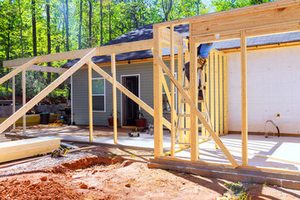
The construction phase is often the longest portion of the home remodelling timeline. During this stage, the renovation begins taking shape as framing, electrical systems, plumbing components, insulation, flooring, cabinetry, and various structural elements are installed.
Progress may not always appear dramatic from day to day, but important work is occurring behind the scenes. Much of the structural and mechanical work must be completed before visible finishes can be installed. Patience becomes particularly important during this stage.
Several major activities commonly occur during construction:
- Structural modifications and framing work.
- Electrical system installation or upgrades.
- Plumbing modifications and fixture preparation.
- Heating, cooling, and ventilation adjustments.
- Insulation and wall installations.
- Flooring preparation and installation.
Each task builds upon the previous one, requiring careful coordination among different trades and professionals. Delays in one area can sometimes affect the overall schedule, making communication especially important throughout the construction process.
Installation of Finishes and Design Features
After the structural work is complete, attention shifts toward the aesthetic elements that bring the renovation to life. This stage is often one of the most rewarding parts of the process because homeowners begin seeing their vision become reality.
Cabinets, countertops, tiles, paint, lighting fixtures, hardware, appliances, and decorative features are installed. Rooms that previously resembled construction zones begin taking on their final appearance.
Although this phase is visually exciting, precision remains essential. Careful installation ensures that every component functions properly and contributes to the overall quality of the finished space. Small details often have a major impact on the final appearance and long-term durability of the renovation.
Inspections and Quality Assurance
As construction nears completion, inspections and quality checks become a primary focus. Contractors review completed work to ensure everything meets project specifications and performance standards.
This stage often includes testing electrical systems, plumbing fixtures, appliance functionality, lighting operation, and other installed features. Any necessary adjustments or corrections are completed before the project is officially finalised.
Quality assurance is an important safeguard against future issues. Thorough inspections help identify minor concerns while they are still easy to correct. Homeowners should take time to carefully review completed work and ask questions about maintenance requirements, warranties, and operational features.
Final Walkthrough and Project Completion
The final walkthrough marks one of the most anticipated milestones in any remodelling project. During this stage, homeowners examine the completed renovation and review all aspects of the work with their contractor.
Questions about operation, maintenance, and care of new materials are typically addressed during this meeting. Any remaining touch-ups or minor adjustments may also be identified and scheduled for completion.
The final walkthrough provides an opportunity to verify that project goals have been achieved and that expectations have been met. When conducted properly, it helps ensure a successful transition from construction to everyday use.
Tips for Staying on Schedule
While some factors remain outside a homeowner’s control, certain practices can help maintain project momentum and reduce delays.
Consider the following recommendations:
- Finalise design decisions early.
- Select materials as soon as possible.
- Maintain regular communication with contractors.
- Prepare for temporary inconveniences.
- Budget for unexpected discoveries.
- Remain flexible when adjustments become necessary.
These strategies help create a smoother experience and support efficient project management from beginning to end.
Understanding the home remodelling timeline helps homeowners approach renovation projects with confidence and realistic expectations. From initial planning and design to demolition, construction, inspections, and final completion, each stage plays a vital role in achieving successful results. Although remodelling projects require patience and careful coordination, the rewards often far outweigh the temporary disruptions.
A well-executed renovation does more than update a house. It enhances comfort, functionality, efficiency, and long-term value. By understanding what to expect throughout the process and preparing accordingly, homeowners can navigate their remodelling journey more effectively and enjoy the transformation of their living space with far less stress. Ultimately, a carefully planned remodelling project creates not just a better home, but a more enjoyable place to live for years to come.