
A home’s Foundation Repair Nashville is arguably its most important structural component. It supports the entire building, distributes weight evenly, and helps maintain stability through changing weather conditions and natural ground movement. Despite its critical role, the foundation is often overlooked until a significant problem develops. Cracks in walls, uneven floors, sticking doors, and moisture issues are frequently the warning signs that homeowners notice, but these symptoms often appear only after foundation damage has already begun.
The good news is that many foundation problems can be prevented through consistent maintenance and proactive care. Much like regular roof inspections or routine HVAC servicing, foundation maintenance is an investment that helps preserve the long-term health of a property. By understanding the factors that affect foundation stability and implementing preventative measures, homeowners can reduce the risk of expensive repairs while protecting their property’s value and structural integrity for years to come.
Why Foundation Maintenance Matters
A foundation is constantly exposed to environmental forces. Soil movement, moisture fluctuations, drainage problems, seasonal weather changes, and even nearby vegetation can impact its stability over time. While foundations are designed to withstand substantial loads and varying conditions, they are not immune to damage.
Neglecting foundation maintenance can lead to gradual deterioration that becomes increasingly costly to address. Small cracks may expand, settlement issues can worsen, and moisture intrusion may compromise both structural components and indoor air quality. In difficult situations, extensive repairs may be necessary to restore the property’s structural integrity.
Preventative maintenance helps identify potential concerns before they escalate. Routine inspections and timely corrections allow homeowners to address minor issues early, often avoiding significant restoration costs later.
Understand the Relationship Between Soil and Foundations
One of the most important factors affecting foundation performance is the soil surrounding the structure. Foundations rely on stable soil for support, but soil conditions are constantly changing. Excessive moisture can cause soil expansion, while prolonged dryness may lead to soil shrinkage. These movements create stress on foundation walls and footings.
When soil repeatedly expands and contracts, the foundation may experience shifting, cracking, or uneven settlement. This process often occurs gradually, making it difficult to detect until visible symptoms appear within the home.
Homeowners should understand that maintaining consistent moisture levels around the foundation is often one of the most effective preventative measures. Dramatic fluctuations in soil moisture can place unnecessary strain on structural components and increase the likelihood of damage over time.
Prioritise Proper Drainage Around the Property
Water management is perhaps the single most important aspect of foundation protection. Poor drainage allows water to accumulate near the structure, increasing hydrostatic pressure against foundation walls and creating conditions that contribute to cracking and moisture penetration.
Every property should direct water away from the foundation efficiently. Gutters, downspouts, grading, and drainage systems work together to prevent excessive moisture accumulation. When these systems fail, water can collect around the perimeter and gradually weaken the surrounding soil.
Homeowners should routinely inspect drainage components to ensure they remain functional. Leaves, debris, and blockages can prevent proper water flow, causing overflow that deposits large amounts of moisture near the foundation.
Some of the most effective drainage maintenance practices include:
- Cleaning gutters regularly.
- Ensuring downspouts discharge water away from the structure.
- Maintaining proper grading around the home.
- Addressing areas where water pools after rainfall.
- Inspecting drainage systems for clogs or damage.
By controlling water movement, homeowners significantly reduce one of the primary causes of foundation problems.
Monitor Foundation Cracks Carefully
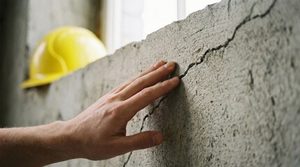
Not all foundation cracks indicate severe structural issues. Small hairline cracks can occur naturally as construction materials cure and settle. However, monitoring cracks is an important part of preventative maintenance because changes may signal developing problems.
Homeowners should routinely inspect visible foundation surfaces, both inside and outside the property. Cracks that widen, lengthen, or appear suddenly deserve closer evaluation. Diagonal cracks, gaps around windows and doors, or uneven flooring may also indicate structural movement that requires attention.
Early detection is critical. Addressing minor concerns promptly is often far less expensive than waiting until substantial structural repairs become necessary. Keeping a photographic record of visible cracks can help track changes over time and determine whether movement is ongoing.
Control Moisture Levels Consistently
Both excessive moisture and extreme dryness can negatively impact foundation performance. Maintaining balanced moisture levels around the home helps minimise soil movement and supports long-term stability.
Many homeowners focus solely on eliminating excess water but overlook the effects of prolonged dry conditions. During extended dry periods, soil may contract and pull away from the foundation. This loss of support can contribute to settlement issues and structural stress.
A balanced approach to moisture management is essential. Consistent watering of landscaping around the foundation during dry weather may help maintain more stable soil conditions. However, overwatering should be avoided because excess moisture can create an entirely different set of foundation risks.
The goal is to reduce dramatic fluctuations and maintain relatively stable soil conditions throughout the year.
Inspect and Repair Plumbing Leaks Quickly
Plumbing leaks often go unnoticed for extended periods, particularly when they occur beneath slabs, inside walls, or underground. Even minor leaks can introduce large amounts of moisture into the surrounding soil, gradually affecting foundation stability.
Routine plumbing inspections can help identify hidden leaks before they cause significant damage. Homeowners should remain alert for signs such as unexpectedly high water bills, damp flooring, mould growth, or persistent moisture around the property.
Addressing leaks promptly provides two major benefits. First, it helps conserve water and reduce utility costs. Second, it protects the foundation by preventing unnecessary soil saturation that could contribute to movement and settlement.
Be Mindful of Trees and Large Vegetation
Landscaping enhances curb appeal and creates attractive outdoor spaces, but large trees and shrubs can affect foundation health. Root systems naturally seek moisture and may alter soil conditions as they grow.
Trees planted too close to a structure can contribute to uneven moisture distribution around the foundation. Large root systems may remove substantial amounts of water from the soil, leading to shrinkage and settlement in certain areas.
This does not mean homeowners need to remove all trees near their homes. Instead, proper planning and maintenance can help balance landscaping goals with foundation protection. Monitoring tree growth and consulting professionals when planting large vegetation can help prevent future structural concerns.
Watch for Early Warning Signs
Many foundation problems develop gradually and provide early indicators before severe damage occurs. Recognising these warning signs allows homeowners to act quickly and minimise repair costs.
Common signs that may suggest foundation movement include:
- Cracks in interior walls or ceilings.
- Uneven or sloping floors.
- Doors and windows that stick or fail to close properly.
- Gaps forming around window frames or door frames.
- Visible exterior foundation cracks.
- Water intrusion in basements or crawl spaces.
While these symptoms do not always indicate major foundation issues, they should never be ignored. Early evaluation often prevents small problems from evolving into more complex structural challenges.
Schedule Routine Foundation Inspections
One of the most effective preventative maintenance strategies is scheduling periodic foundation inspections. Professional evaluations can identify developing issues that may not be apparent to the average homeowner.
Experts assess structural conditions, drainage performance, moisture concerns, crack patterns, and other factors that influence foundation health. Their expertise allows them to detect subtle indicators of movement before serious damage occurs.
Regular inspections are particularly beneficial for older properties, homes located in areas with expansive soils, or structures that have experienced previous foundation repairs. Establishing a proactive inspection schedule provides peace of mind and supports long-term structural stability.
Maintain Gutters and Roof Drainage Systems
Roof drainage systems directly impact foundation performance. When gutters become clogged or damaged, water may overflow and accumulate near foundation walls. Over time, repeated exposure to excess moisture can contribute to settlement, erosion, and cracking.
Routine gutter maintenance is a simple yet highly effective preventative measure. Homeowners should inspect gutters and downspouts regularly, especially after storms or seasonal leaf accumulation.
Properly functioning drainage systems help direct water away from vulnerable areas and reduce the risk of moisture-related foundation problems. This relatively small maintenance task can play a major role in preserving long-term structural health.
Adopt a Long-Term Preventative Mindset
The most successful homeowners view foundation maintenance as an ongoing responsibility rather than a one-time task. Structural health depends on consistent monitoring, routine maintenance, and timely intervention when issues arise.
Creating a preventative maintenance plan helps ensure that important tasks are not overlooked. Regular inspections, drainage evaluations, landscaping management, moisture control, and plumbing checks all contribute to a stronger and more resilient foundation.
While no foundation can be completely immune to ageing or environmental influences, proactive care dramatically reduces the risk of serious damage. Small maintenance efforts performed consistently often yield significant long-term benefits.
Preventative foundation maintenance is one of the smartest investments a homeowner can make in protecting a property’s structural integrity. Foundations support everything above them, making their health essential to the safety, comfort, and value of a home. By focusing on proper drainage, moisture control, routine inspections, landscaping management, and early problem detection, homeowners can significantly reduce the likelihood of costly foundation repairs.
Rather than waiting for major cracks, settlement issues, or water intrusion to occur, a proactive approach allows minor concerns to be addressed before they develop into significant structural challenges. Over time, these preventative measures help preserve the foundation’s stability, extend the life of the structure, and provide peace of mind knowing that the home rests on a strong and reliable foundation. A commitment to regular maintenance today can prevent substantial repair costs tomorrow while ensuring long-term structural health for years to come.