
Pests are more than just an inconvenience. They can threaten health, damage property, contaminate food, and create ongoing stress for property owners. While many people focus on eliminating pests after they appear, the most successful long-term strategy involves prevention. One of the strongest defences against infestations is the combination of consistent cleanliness, routine maintenance, and proactive Pest Control Texas practices. These three elements work together to create an environment that is far less attractive to unwanted insects and rodents.
Many homeowners and property managers underestimate the close relationship between sanitation and pest activity. Pests are constantly searching for food, water, and shelter. When these resources are readily available, infestations become much more likely. By maintaining a clean and well-kept environment, property owners can significantly reduce the conditions that attract pests in the first place. Understanding the connection between cleanliness, maintenance, and pest control can help create healthier, safer, and more comfortable living spaces.
Why Pests Are Attracted to Certain Environments
Every pest species has basic survival needs. Whether dealing with ants, cockroaches, rodents, flies, spiders, or other unwanted intruders, they are ultimately looking for access to resources. A property that provides food scraps, moisture, clutter, or easy entry points becomes an ideal habitat.
Even small oversights can create opportunities for pests. Crumbs left on kitchen counters, overflowing rubbish bins, standing water, leaking pipes, or neglected storage areas can all attract unwanted visitors. Once pests locate a reliable source of food or shelter, they often establish nests and reproduce rapidly, making the problem increasingly difficult to manage.
What begins as a minor issue can quickly become a significant infestation if the underlying causes are not addressed. This is why pest control is most effective when it goes beyond treatment and focuses on prevention.
The Role of Cleanliness in Pest Prevention
Cleanliness serves as the foundation of effective pest management. A clean environment removes many of the resources pests need to survive, making it much less appealing for them to settle and multiply.
Food residues are among the most common reasons pests invade residential and commercial properties. Tiny crumbs, grease buildup, spilled beverages, and improperly stored food can all attract insects and rodents. Maintaining a clean kitchen and dining area significantly reduces these opportunities.
Regular cleaning should include wiping surfaces, vacuuming floors, removing rubbish promptly, and storing food in sealed containers. These simple habits help eliminate food sources that could support a pest population.
Bathrooms, laundry rooms, and utility areas are equally important. Moisture attracts a variety of pests, including cockroaches and certain insects that thrive in damp conditions. Consistent cleaning and drying of these spaces help limit moisture levels and reduce pest activity.
Another often overlooked aspect of cleanliness is clutter reduction. Piles of cardboard, newspapers, unused furniture, and storage boxes can create ideal hiding places for pests. Maintaining organised spaces improves visibility and makes it easier to identify problems before they escalate.
How Property Maintenance Supports Pest Control
While cleanliness removes attractants, maintenance helps eliminate access points and structural vulnerabilities. Even the cleanest property may experience pest problems if maintenance issues are neglected.
Many pests enter through surprisingly small openings. Cracks in walls, gaps around doors and windows, damaged screens, and openings around utility lines can all provide easy entry into a building. Routine inspections allow these issues to be identified and repaired before pests gain access.
Property maintenance also addresses moisture-related concerns. Leaking pipes, damaged roofing materials, clogged gutters, and poor drainage can create the damp conditions that many pests prefer. Repairing these problems not only protects the structure itself but also removes important pest attractants.
A well-maintained property presents fewer opportunities for infestations. By addressing structural issues promptly, property owners can significantly reduce the likelihood of recurring pest problems.
Key Maintenance Practices That Help Prevent Infestations
Several maintenance tasks play a critical role in pest prevention:
- Seal cracks and gaps around foundations, windows, and doors.
- Repair leaking plumbing systems and fixtures promptly.
- Maintain roofing, gutters, and drainage systems.
- Replace damaged window screens and weather stripping.
- Trim vegetation away from the structure to reduce pest access.
- Address standing water issues around the property.
These preventive measures make it more difficult for pests to enter and establish themselves within a building. Consistency is essential because even minor maintenance issues can develop into larger problems over time.
The Importance of Professional Pest Control Services
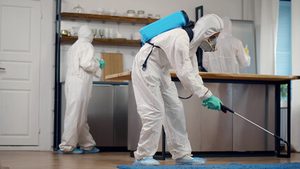
Cleanliness and maintenance provide a powerful foundation for prevention, but professional pest control services remain an important part of a comprehensive strategy. Experienced technicians understand pest behaviour, identification methods, and treatment techniques that go beyond standard household solutions.
Many infestations remain hidden for extended periods. Rodents may live inside wall cavities, termites can damage structural components out of sight, and insects often establish colonies in difficult-to-reach locations. Professional inspections help detect these issues early before extensive damage occurs.
In addition to identifying active infestations, pest control professionals can recommend preventive solutions tailored to the specific characteristics of a property. Their expertise helps ensure that cleanliness and maintenance efforts are supported by effective monitoring and treatment strategies.
Regular pest inspections can also provide peace of mind. Early detection often reduces treatment costs and prevents infestations from reaching more severe levels.
Common Areas That Require Special Attention
Certain parts of a property are more vulnerable to pest activity than others. These areas should receive extra attention during routine cleaning and maintenance efforts.
Kitchens are among the most attractive locations for pests because they provide easy access to food and water. Keeping appliances clean, wiping spills immediately, and regularly removing rubbish can help minimise risks.
Basements, crawl spaces, and utility rooms often contain moisture and limited human activity, making them attractive shelter locations. Regular inspections can reveal leaks, humidity issues, or signs of pest activity before problems worsen.
Storage areas also deserve careful attention. Boxes, seasonal items, and unused belongings may provide hiding places for insects and rodents. Organising storage spaces and reducing unnecessary clutter can make these areas less appealing.
Outdoor spaces should not be overlooked either. Overgrown landscaping, accumulated debris, and standing water can create ideal breeding grounds for pests that may eventually move indoors.
The Long-Term Benefits of a Preventive Approach
Many people only think about pest control when they encounter visible signs of an infestation. However, waiting until pests become noticeable often leads to greater expenses, property damage, and inconvenience.
A preventive approach focuses on stopping problems before they begin. By combining cleanliness, maintenance, and professional pest management, property owners can create conditions that discourage pest activity throughout the year.
The long-term benefits include:
- Improved health and sanitation.
- Reduced risk of property damage.
- Lower pest treatment costs over time.
- Greater comfort and peace of mind.
- Enhanced property value and appearance.
- Fewer recurring infestations.
These advantages demonstrate why prevention is often more effective and economical than reactive treatment alone.
Building a Comprehensive Pest Prevention Strategy
Successful pest control should never rely on a single solution. Instead, it requires an integrated approach that addresses multiple risk factors simultaneously. Cleanliness eliminates available food and shelter, maintenance reduces entry points and moisture issues, and professional pest control provides expert monitoring and treatment when needed.
Developing consistent habits is one of the most important elements of long-term success. Routine cleaning schedules, regular inspections, prompt repairs, and periodic professional evaluations all contribute to a stronger defence against pests. When these practices become part of normal property care, pest problems are significantly less likely to occur.
Property owners should also remain vigilant for warning signs such as droppings, unusual odours, damaged materials, nesting activity, or unexplained insect sightings. Early intervention can prevent minor issues from developing into larger infestations.
The connection between cleanliness, maintenance, and effective pest control is undeniable. Pests thrive in environments where food, water, shelter, and access points are readily available. By keeping spaces clean, addressing maintenance concerns promptly, and incorporating professional pest control services into a preventive strategy, property owners can greatly reduce the likelihood of infestations.
Rather than viewing pest control as a one-time solution, it should be considered an ongoing process that supports the health, safety, and longevity of a property. When cleanliness, maintenance, and pest management work together, they create a powerful defence that protects both occupants and structures from the costly consequences of pest activity. This proactive approach not only prevents infestations but also promotes a cleaner, healthier, and more enjoyable environment for everyone.